We are one of the few agencies that have a YouTube and TikTok channel
Visit our YouTube channel and learn a little more about our history, traditions, customs, and tourist attractions. You'll also find recommendations for your next trip.

For many travelers who may not be aware of it, Lake Titicaca is shared by both Peru and Bolivia. This iconic destination is considered one of the most fascinating places in South America, known for its energy, history, and deep sense of mysticism, attracting visitors from all over the world. However, one common question often arises:
Is it better to visit the Peruvian side or the Bolivian side of Lake Titicaca?
In this guide, we explore the main differences, advantages, and unique experiences each side has to offer, helping you choose the option that best matches your travel style and expectations.
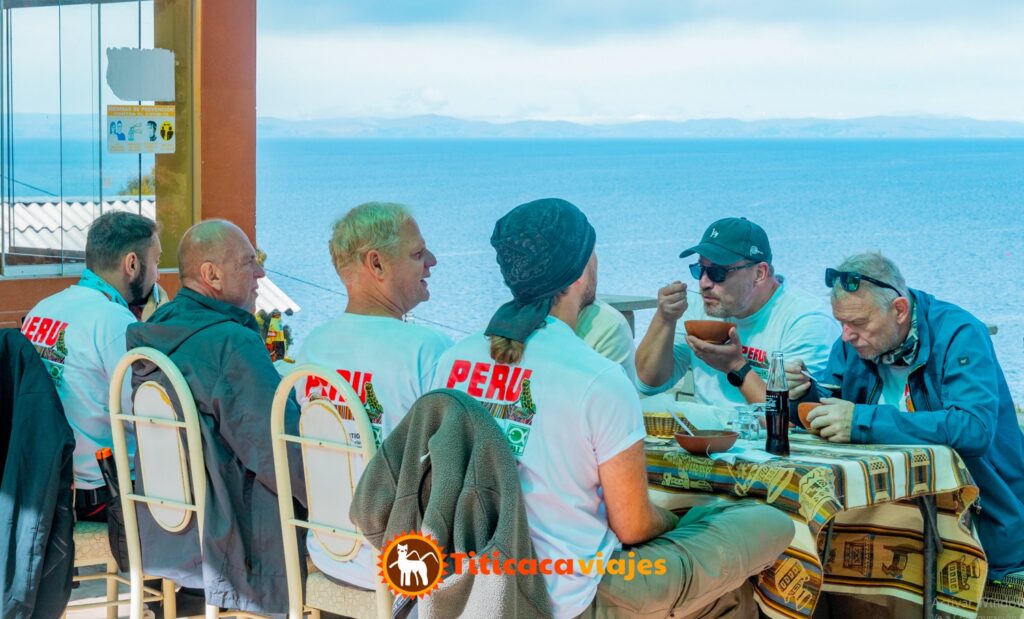
The Peruvian side of Lake Titicaca is home to several unique destinations, rich in history, culture, and ancient traditions. Among the most important places to visit are:
Uros Floating Islands
The Uros Floating Islands are a group of man-made islands built entirely from totora reeds, a native plant of the lake.
Uros families have developed a way of life fully adapted to this environment. From their diet to the construction of their homes and boats, everything is closely connected to totora.
Visiting these islands offers the opportunity to experience a living culture that continues to preserve its ancestral traditions.
Taquile Island
Taquile Island, located on the Peruvian side of the lake, is well known for its strong community organization and the way its inhabitants have adapted to their surroundings.
The people of Taquile cultivate their own land, growing staple crops such as potatoes and vegetables for daily sustenance.
The island is also famous for its textile art, recognized by UNESCO as Intangible Cultural Heritage of Humanity, featuring fine weavings and symbolic designs that represent their worldview.
Activities such as traditional fishing and hiking along panoramic trails further enrich the experience.
Amantaní Island
Amantaní Island is located on the Peruvian side of Lake Titicaca and is known for the warm hospitality of its community, which welcomes visitors into family homes.
The island is also home to important sacred sites, such as Pachatata and Pachamama, located at the summit, offering spectacular views of the lake and surrounding landscapes.
The Bolivian side of Lake Titicaca is equally impressive in terms of natural beauty. While it shares similar landscapes with the Peruvian side, it also presents notable differences.
Island of the Sun (Isla del Sol)
The Island of the Sun is one of the most famous islands on Lake Titicaca. According to legend, it is the birthplace of Manco Cápac and Mama Ocllo, the founders of the Inca Empire.
The island is rich in history and ideal for hiking, breathtaking landscapes, and cultural experiences. Local families also offer accommodation for travelers, allowing for deeper cultural immersion.
Island of the Moon (Isla de la Luna)
The Island of the Moon is considered the counterpart to the Island of the Sun. According to tradition, both islands play a crucial role in the origin of Inca culture and Andean cosmology.
The island preserves archaeological remains and ritual spaces that reflect its historical and spiritual significance.
Conclusion
With an area of 8,372 km², Lake Titicaca has been home to numerous cultures whose traditions and heritage continue to inspire visitors today.
Although the islands on each side of the lake offer different experiences, the natural scenery is equally captivating in both Peru and Bolivia.
That said, from a clear and objective perspective, the Peruvian side of Lake Titicaca offers better infrastructure and tourist services, making travel logistics easier and the overall experience more comfortable and enjoyable for visitors.




Visit our YouTube channel and learn a little more about our history, traditions, customs, and tourist attractions. You'll also find recommendations for your next trip.